
What Belgrade adds to an ordinary move
The general sequence of a move is the same everywhere, and we have set it out week by week in the complete moving checklist. This article is about the parts that are specific to doing it here.
Belgrade adds three things. The old centre has narrow streets where a truck cannot get close and parking has to be arranged rather than assumed. New Belgrade and the newer developments have towers where the goods lift is booked and security controls access. And the handover of the flat itself, particularly a rented one, follows a local procedure that decides whether you get your deposit back.
Start four to six weeks out. Book the company two to three weeks ahead at minimum — weekends and the end of the month go first.
Preparing the old flat for handover
This is the part that costs people money, and it is almost entirely avoidable.
Photograph everything first
A few days before the move, photograph or film the condition of every room — walls, floors, bathroom fittings, windows and doors. If there is later a dispute about damage, these photographs settle it. Take them before the furniture moves, because what is behind a wardrobe is exactly what gets argued about.
Read the meters
On the day you move out, read electricity, water and gas. Write the numbers down and photograph them. You need this for the final bill, and you need it to draw the line between your consumption and the next occupant's.
Clean and patch
Fill the holes left by wall plugs, clean the bathroom grout, deal with any marks. These are small jobs that make a disproportionate difference at handover, and they are frequently the difference between the full deposit and part of it.
Write a handover record
Produce a short handover record signed by both sides — you and the owner or the incoming tenant. It states the condition of the flat, the number of keys handed over and the meter readings. It protects both parties, and in our experience the people who write one rarely have a dispute afterwards.
Planning a move?
Tell us what needs moving and we will give you a firm price.
Packing room by room
Pack one room at a time and finish it before starting the next. Mixed boxes are the single biggest cause of a slow unpacking.
Label every box on the side — not the lid, because boxes get stacked — with what is inside and which room it belongs to at the new address. Then the crew puts each box where it is going instead of stacking everything in the hall.
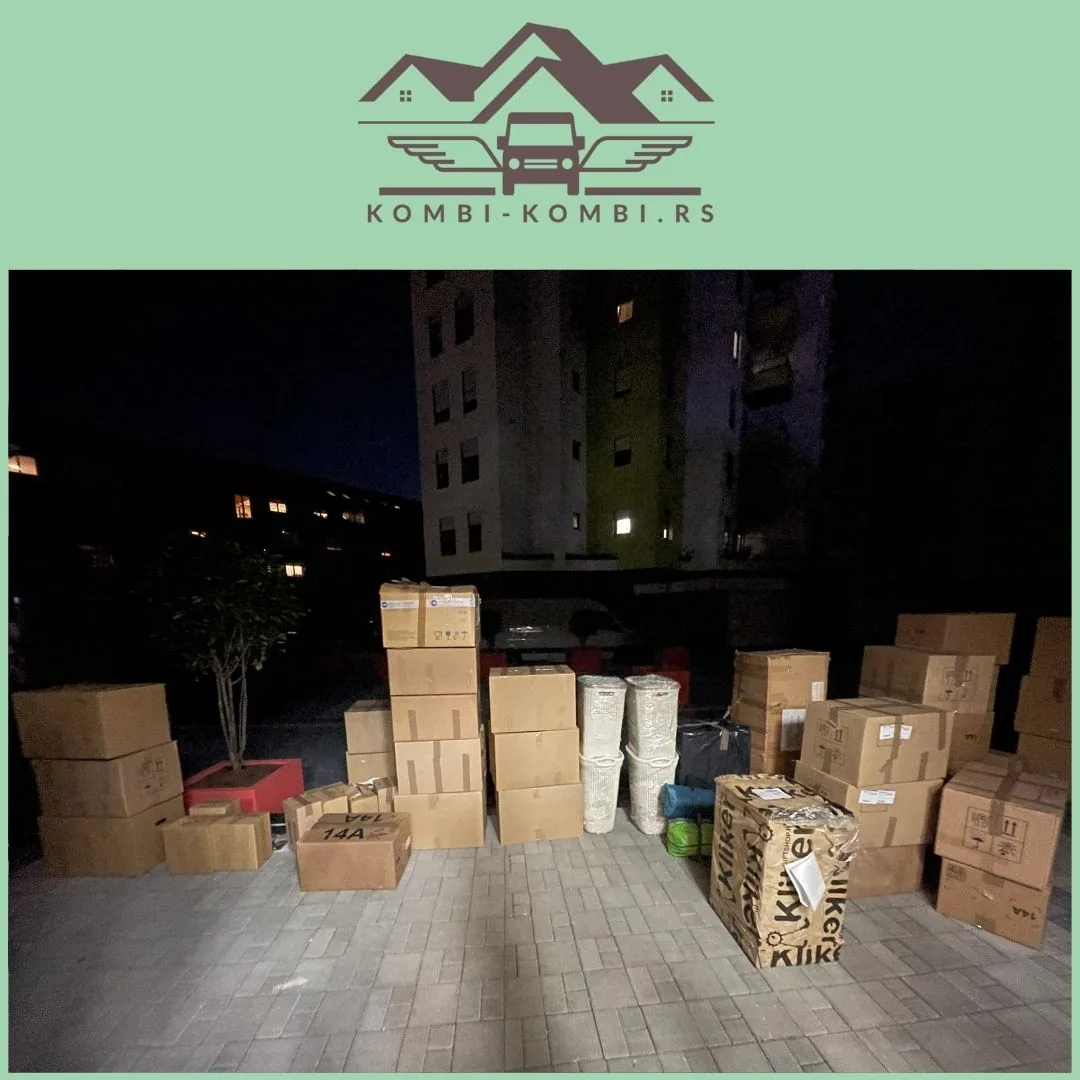
Leave the kitchen and bathroom until last; you use them until the final morning. The detailed method is in how to pack for a move, and if the flat has a terrace or a balcony, those count as a room of their own — see moving the garden and terrace.
The day itself, and the Belgrade specifics
Parking, at both addresses
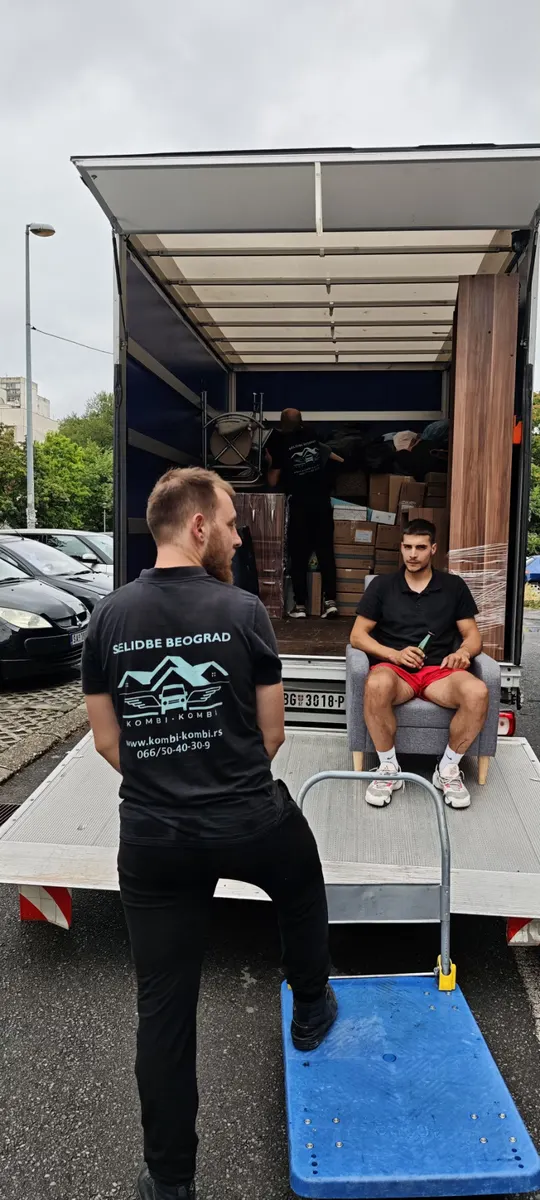
Securing somewhere for the van to stand is your responsibility, and in the old centre it is the most common thing that goes wrong. Tell the neighbours the day before; for a larger move in the strict centre you can request temporary signage from the municipality a few days ahead. Where there is genuinely nowhere, our crews work in short stops rather than parking — the van stays exactly as long as one load takes, then moves on.
The lift, and the building
In a block of flats, the lift has to be booked and the building manager told. In the managed towers it is more formal than that: a slot for the goods lift, and sometimes a list of the crew. The procedure, and what to put in the notice, is in telling the building manager about your move.
When things do not fit through the door
Old buildings have narrow hallways and doorways that predate most modern furniture. Sometimes the answer is dismantling, and sometimes it is bringing a piece in through the terrace or over a balcony. It is worth telling us about anything unusually large when you book, so the right crew and equipment turn up.
Setting up the new flat
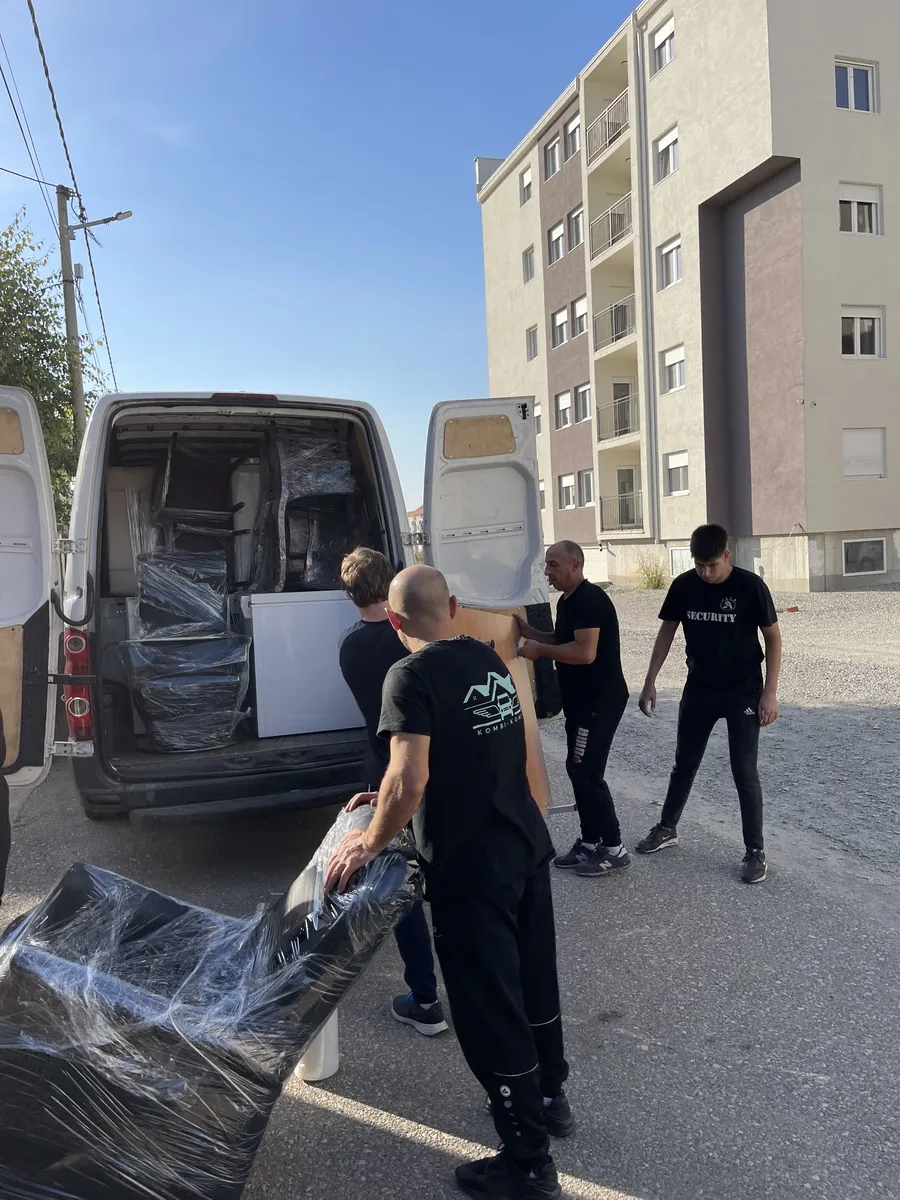
Unpack in order of need: bathroom and kitchen first, then the bedrooms, then everything else. Break down each box as you empty it — otherwise the flat is a maze of cardboard for a fortnight.
In the first days, check that electricity, water, heating and internet all work, and report anything that does not straight away rather than at the weekend. Then the administration: the residence registration has an eight-day deadline, and the rest of the list is in changing your address after a move.
And introduce yourself to the neighbours in the first week, while it is the natural thing to do — meeting the neighbours covers why that is worth more than it sounds.
Frequently asked questions
How far ahead should I start planning a move within Belgrade?
Four to six weeks for the planning, and book the company two to three weeks ahead at minimum. Weekends and the end of the month are the busiest, so those dates need more notice than a weekday in mid-month.
What do I need to do to get my deposit back?
Photograph the condition of every room a few days before the move, read and photograph the meters on the day you leave, patch the holes from wall plugs and clean properly, and write a handover record signed by both sides stating the condition, the keys handed over and the meter readings.
What is particular about moving in Belgrade?
Three things: narrow streets in the old centre where parking has to be arranged rather than assumed, managed towers where the goods lift is booked and security controls access, and old buildings with hallways and doorways narrower than modern furniture.
What happens if there is nowhere to park the van?
Our crews work in short stops instead — the van stays exactly as long as one load takes, then moves on. For a larger move in the strict centre you can also request temporary signage from the municipality a few days ahead, and a word with the neighbours the day before often secures a space without any paperwork.
What if furniture will not fit through the door?
Usually it comes apart, and sometimes it comes in over the terrace or a balcony instead. Tell us about anything unusually large when you book, so the right crew and equipment arrive rather than being improvised on the day.

Marko Mišulić
KOMBI-KOMBI has been running since 2013, and in that time several thousand homes and businesses have gone through our vans in Belgrade, across Serbia and around Europe. Everything on this blog comes from what our crews actually meet on the job.