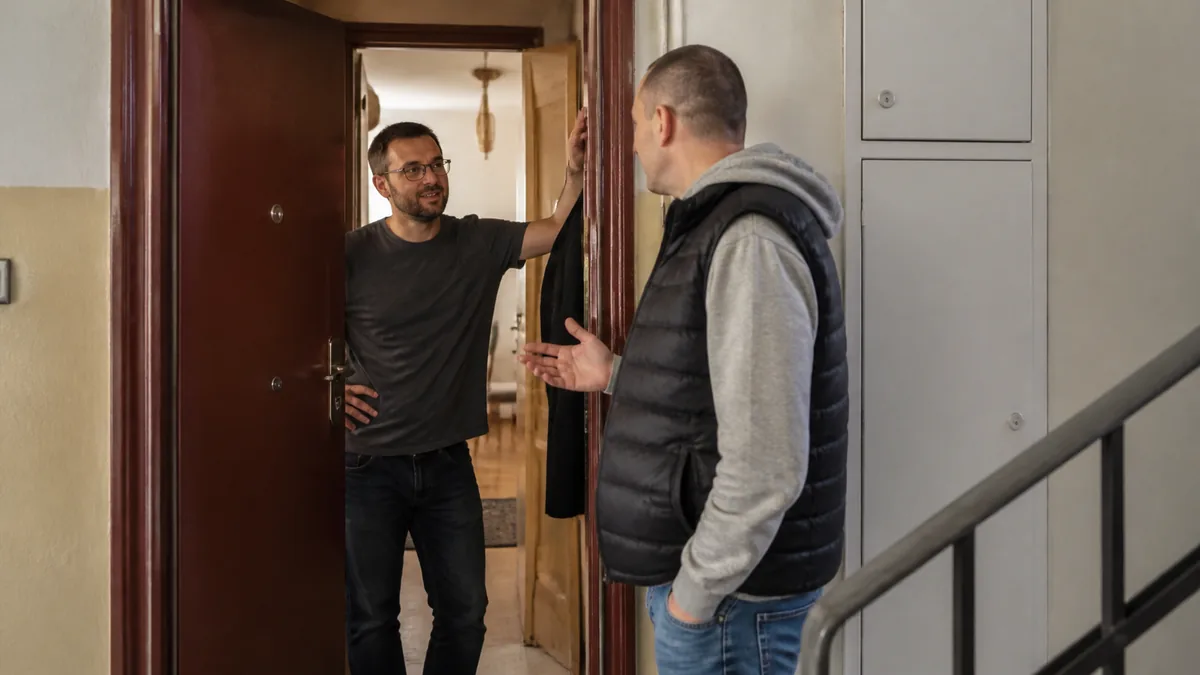
Do it in the first week, while it is easy
There is a short window after you move in where introducing yourself is the natural thing to do. "Hello, we've just moved into number 12" needs no further justification in the first week. Three months later, the same sentence is a slightly odd thing to say to someone you have been passing in silence.
So the main piece of advice is about timing rather than technique: do it early, and do it briefly. Nobody is expecting a conversation, and a thirty-second introduction in the hallway is enough to change every subsequent encounter.

Who is worth meeting first
Not everyone at once. Four, in rough order of usefulness:
- Your immediate neighbours — the flats either side, above and below. These are the people whose plumbing, noise and deliveries will intersect with yours.
- The building manager (upravnik) or the chair of the residents' assembly. They will know about the heating, the maintenance schedule, the parking and the building's actual rules, which are not always the written ones.
- Whoever looks after the entrance — the caretaker, the cleaner, the security desk in a newer building.
- The nearest shop you will use weekly. Not a neighbour exactly, but the same effect.
If you have just arrived from abroad, the building manager is the single most valuable introduction. Much of how a Belgrade building actually functions — the communal bills, the heating, when the water is turned off — is passed around verbally rather than written anywhere.
Planning a move?
Tell us what needs moving and we will give you a firm price.
What to ask, which matters more than what to say
Introducing yourself is the easy half. The useful half is asking, because it gives the other person something to do and it gets you the local knowledge you lost in the move.
- Which day the rubbish goes out, and where
- Where people actually park, as opposed to where the signs say
- Who to call when something in the building breaks
- Whether the heating and hot water have any quirks
- A plumber, an electrician, a locksmith they have actually used
Any of these is a better opening than small talk, and most people enjoy being asked.
If you have children or a pet
Both make this considerably easier, and both make it more necessary.
With children, the other parents in the building are the fastest route to everything you need — which school, which paediatrician, which activities, and reliable babysitters. Introduce the children too; they will be using the same stairwell and courtyard.
With a dog, you will meet more neighbours in the first fortnight than anyone else does in two months. It is also worth saying early that you have one, particularly if it barks when left alone, because a neighbour who has been told is far more tolerant than one who has to work it out.
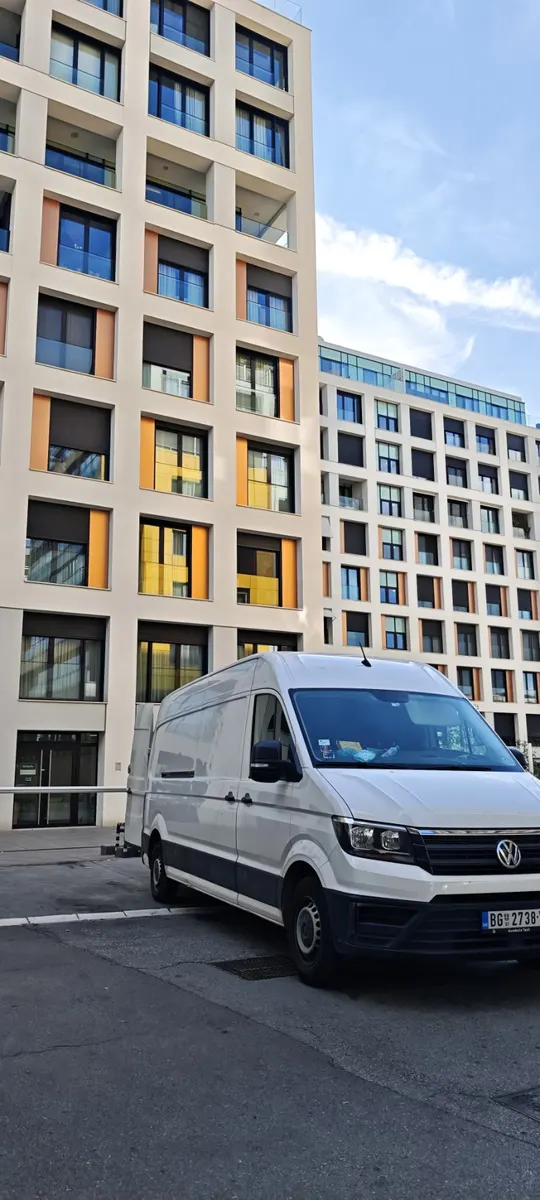
Be the neighbour you would want on moving day
One thing worth doing in reverse. Your move inconveniences people — the lift is occupied, the entrance is propped open, there is noise for several hours. Telling the building beforehand costs nothing and buys a lot of goodwill; the practical details are in telling the building manager about your move.
And when the next person moves in, the simplest gesture is a warm meal or an offer of coffee. Moving day leaves people exhausted, with the kitchen in boxes and no realistic way to cook. It is remembered out of all proportion to the effort.
Frequently asked questions
When should I introduce myself to the neighbours?
In the first week, while having just moved in is explanation enough. Thirty seconds in the hallway is plenty — after a few months the same introduction becomes an awkward thing to initiate.
Who is worth meeting first?
Your immediate neighbours, the building manager or the chair of the residents' assembly, and whoever looks after the entrance. If you have moved from abroad, the building manager matters most — much of how a building actually works is passed on verbally rather than written down.
What should I ask them?
Practical things: which day the rubbish goes out, where people really park, who to call when something in the building breaks, any quirks with the heating, and a plumber or electrician they have actually used. Asking works better than small talk, and most people are glad to be asked.
Does having a dog or children change anything?
Both make it easier and more necessary. Other parents in the building are the fastest route to schools, paediatricians and babysitters. With a dog you will meet more neighbours in a fortnight than anyone else does in two months — and it is worth mentioning early if it barks when left alone.
What is the best thing to do for someone else moving in?
Bring a warm meal, or offer coffee. After a day of moving, the kitchen is in boxes and cooking is not realistic. It takes very little effort and is remembered far out of proportion to it.

Marko Mišulić
KOMBI-KOMBI has been running since 2013, and in that time several thousand homes and businesses have gone through our vans in Belgrade, across Serbia and around Europe. Everything on this blog comes from what our crews actually meet on the job.