The rooms with no walls
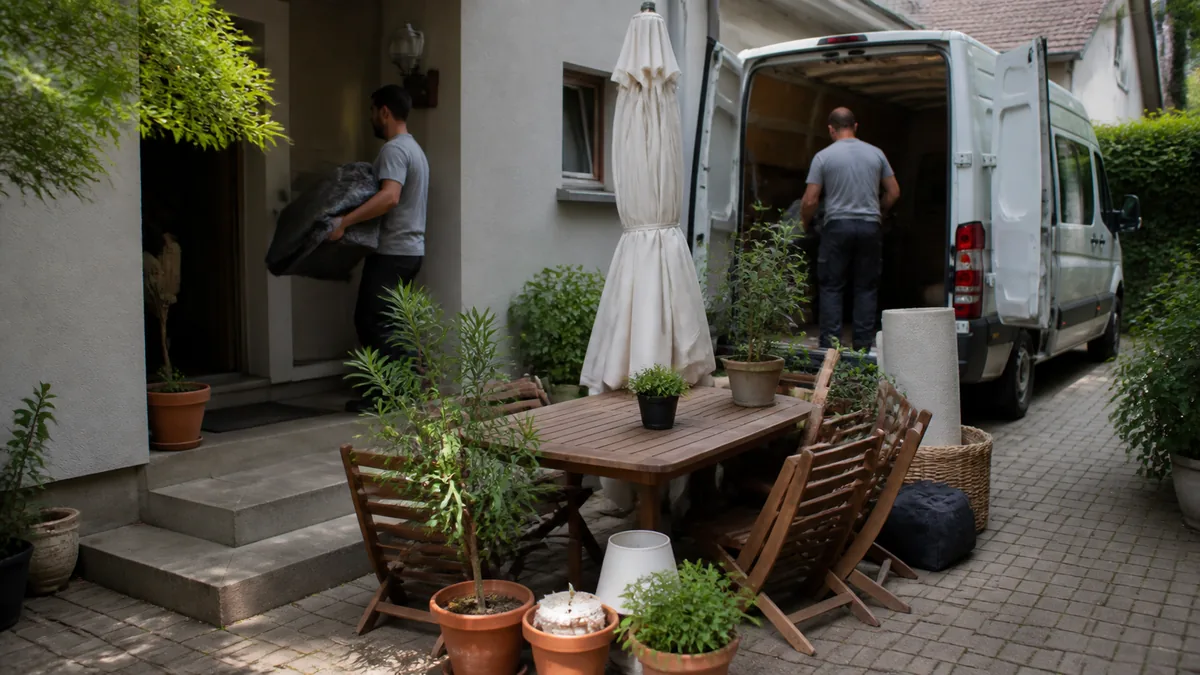
The kitchen is packed, the living room is packed, the bedroom and the cellar are packed. And then there is the terrace, the balcony, the porch and the yard — which between them often hold more volume than a whole room, and which are almost never in the original estimate.
Start by deciding what is actually coming. Garden furniture that has spent five winters outdoors is usually not worth the space it takes in the van. Set it aside for removal rather than dragging it to the new address and deciding there.
Clean it before it goes in with everything else
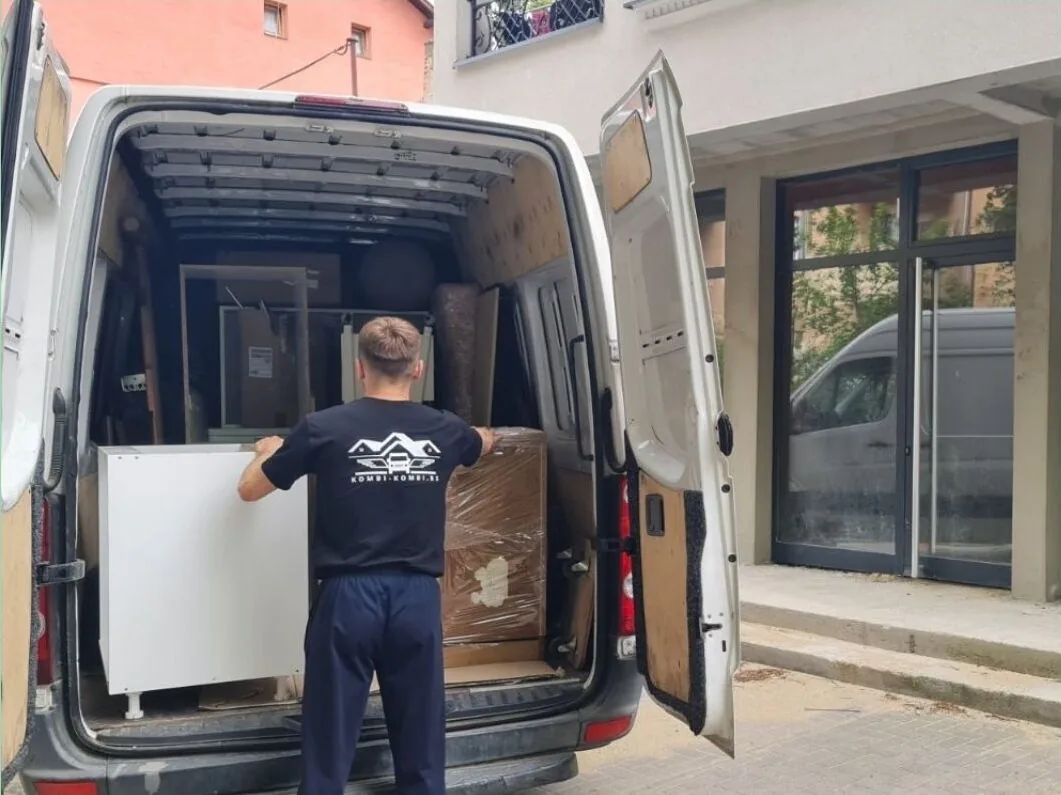
Anything that has been outside has collected dirt, and in a van that dirt transfers to everything around it.
Wipe down the furniture, dry anything wet from rain or snow, and wash out bins properly before they go in alongside your indoor things. It takes an hour and it saves cleaning the rest of your belongings afterwards.
Check for what is living in it
While you are cleaning, look in the corners and the hollow sections. Outdoor furniture makes an excellent shelter for spiders and wasps, and depending on where you live you may find larger residents. Look carefully, and check twice that nothing is coming with you to the new address.
Planning a move?
Tell us what needs moving and we will give you a firm price.
Furniture, tools and the heavy things
Remove all cushions, protect the sharp edges, and wrap anything breakable properly.
Then the safety items, which matter more here than anywhere else in the move:
- Drain the fuel from the lawnmower, the chainsaw, the strimmer and the hedge trimmer so nothing leaks in transit.
- Pesticides, paint tins and oil are hazardous goods — they do not travel in a removal load. The full list of what cannot go is in what cannot cross the border, and the same logic applies to a domestic move.
- Sharp tools — scythes, hoes, hedge shears — get their blades covered with card and tape before they go into the van with everything else.
Then the pieces people forget to include in the plan at all:
- Concrete and ceramic pots. Empty the soil out where you can — wet soil adds a great deal of weight and can crack the pot during loading. A pot that stays full travels upright, with no exceptions.
- Barbecues and outdoor ovens. Charcoal, ash and grease residue have to be cleaned out completely or they will dirty the entire load. Gas barbecues travel only with the cylinder closed and detached.
- Fences, awnings and canopies. If they come apart, the small parts — screws, brackets, pins — go in a bag taped to the main section. Otherwise they are lost.
Plants
Plants take a move badly: extreme temperatures, too much or too little water, and unstable conditions in transit all make it harder for them to survive at the other end.
- Protect the branches with paper wrapping against breakage and leaf loss, or pack the plant in a lined box with ventilation holes.
- If branches have to be tied, secure them gently and in the direction the plant grows.
- Bag the pots so water and soil do not leak over everything else.
- Move plants into plastic containers where you can, and pack the ceramic pots separately as fragile items.
- Unwrap them as soon as you arrive. This is the part people leave for the third day, and it is the part that decides whether the plant survives.
Children's outdoor toys
Do not let the day end in tears because a favourite toy was left behind or cannot be found.
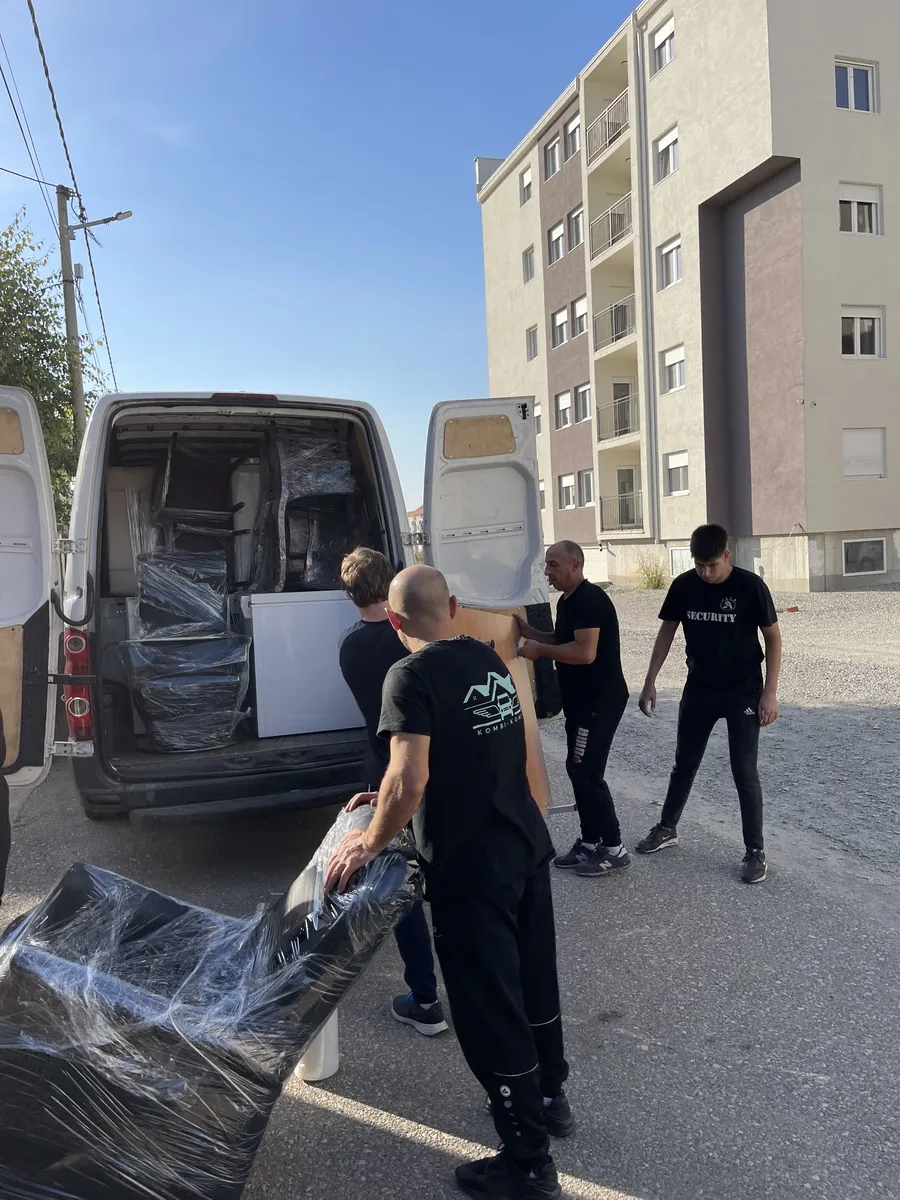
Go round the yard with the children and let them decide what comes — it is the same principle as packing their room, covered in moving with children. Then pack those toys in a clearly marked box that is unloaded early, not one that surfaces in a fortnight.
Swing sets, trampolines and playhouses come apart; the fittings go in a bag taped to the frame, the same as any other dismantled item. If you would rather not spend the afternoon on it, we do dismantling and reassembly as part of the move.
Frequently asked questions
Why does garden furniture need cleaning before a move?
Because anything that has been outdoors has collected dirt, and in a loaded van that dirt transfers to everything around it. Wipe it down, dry anything wet, and wash out bins properly — an hour of work that saves cleaning the rest of your belongings afterwards.
What cannot go in the van from the garden?
Petrol and other fuels, pesticides, paint tins and oil. Drain the fuel from the mower, chainsaw, strimmer and hedge trimmer before loading. Sharp tools can travel, but only with their blades covered in card and tape.
How should heavy plant pots be moved?
Empty the soil out where you can — wet soil adds significant weight and can crack the pot during loading. A pot that has to stay full travels upright only, with no exceptions.
How do I move plants without killing them?
Wrap the branches in paper or use a lined box with ventilation holes, tie branches gently in the direction of growth, and bag the pots so soil and water do not leak. Move them into plastic containers where you can, and unwrap them as soon as you arrive rather than on the third day.
What about a barbecue?
Charcoal, ash and grease residue must be cleaned out completely, or it will dirty the whole load. A gas barbecue travels only with the cylinder closed and detached from the unit.

Marko Mišulić
KOMBI-KOMBI has been running since 2013, and in that time several thousand homes and businesses have gone through our vans in Belgrade, across Serbia and around Europe. Everything on this blog comes from what our crews actually meet on the job.