Take less with you
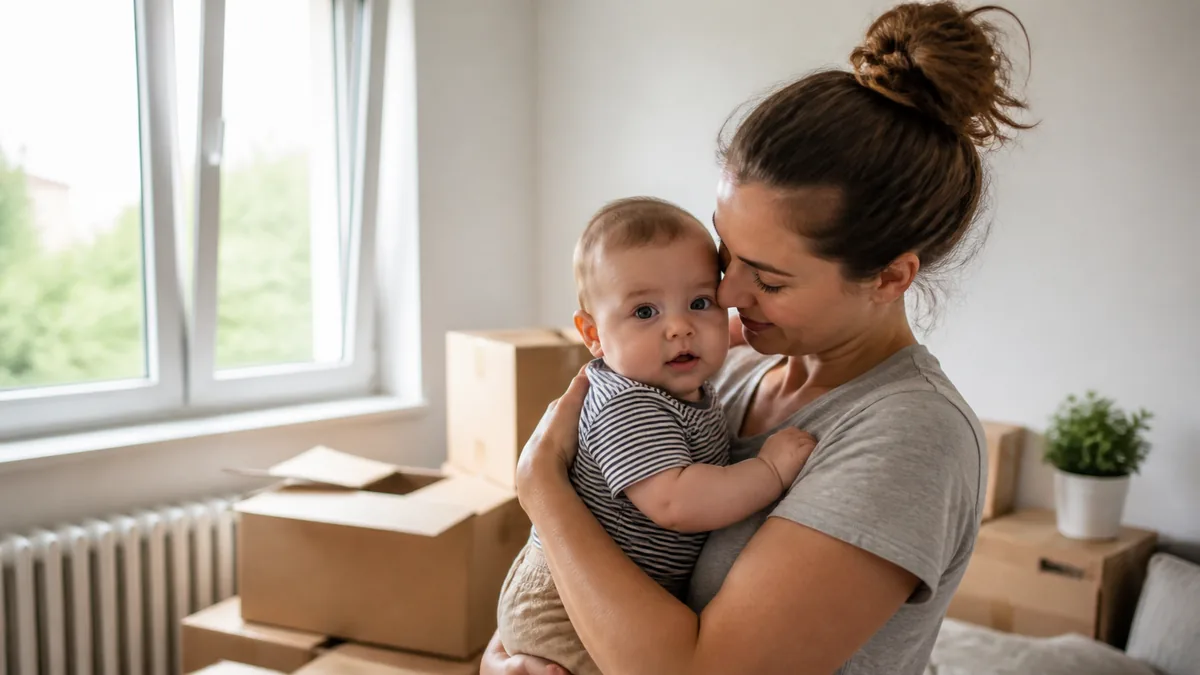
Moving with a baby is not harder because of the baby. It is harder because every task now has to fit between feeds and naps, and you have far fewer uninterrupted hours than you are used to planning around.
Which makes the first decision the most valuable one: take less. Every box you do not move is a box you do not pack, carry or unpack — and unpacking is the part that drags on for weeks when there is an infant in the flat. Sort what goes before you start packing, not while you are packing.
The same logic applies to booking the company early. You want the date you need rather than the date that is left, and you want the packing and unpacking done by someone else if the budget allows it — this is the one situation where paying for that is clearly worth it.
Pack so that unpacking is safe
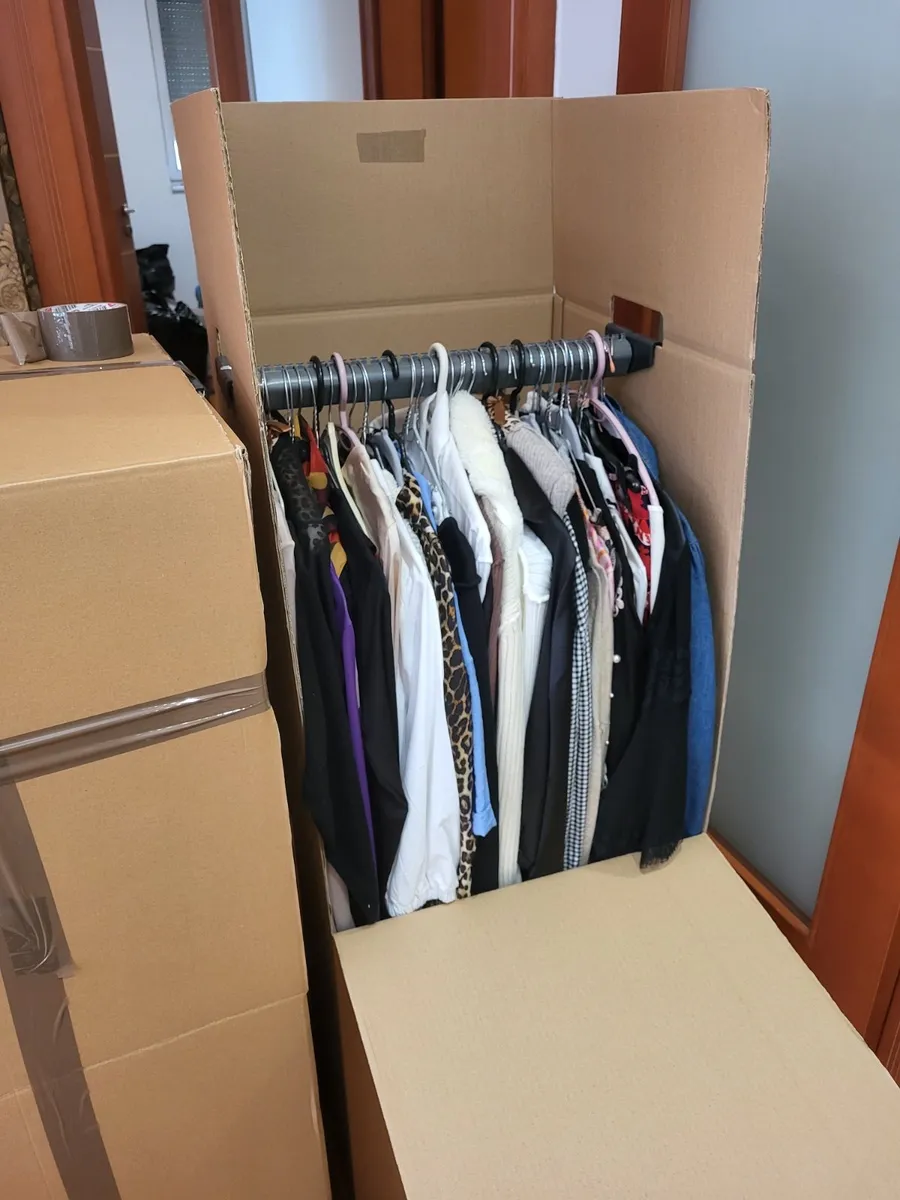
Think about unpacking while you are packing, because the two happen under very different conditions.
- Pack by destination room, not by what you find next.
- Small things into bags first, then into the box — bathroom bits especially.
- Label by contents, and separate the hazards. Boxes that are safe to open with the baby awake, and boxes with knives, cleaning products, tools and small parts that get opened while they are asleep or out of the flat.
- Sort clothes by size and season. Babies outgrow things fast enough that a box of clothes from two sizes ago is not worth unpacking at all.
Planning a move?
Tell us what needs moving and we will give you a firm price.
Clean, then baby-proof, before anything is unpacked
Deep-clean the new place before the baby is in it, not around them. If you can arrange a babysitter, a grandparent or a cleaning service for one day, it is worth more than almost anything else you could spend that day on.
Then secure the flat before you start unpacking, because unpacking is exactly when you are distracted:
- Anchor the tall furniture — chests of drawers, bookcases, televisions
- Cover the electrical sockets
- Check that doors leading outside cannot be opened easily, and that balconies are secure
- Set up the baby monitor
- Unpack the risky boxes during naps, before bedtime, or while someone else has the baby
Time the move around the baby, not the other way round
If you have any choice of date and time, load when the baby is usually calmest — for most, that is before the midday nap or just after the morning feed.
What to avoid is scheduling the main part of the move exactly over a usual nap. The noise of loading will disrupt that sleep, and an overtired baby is harder work for the rest of the day, which is the day you can least afford it.
Who holds the baby while the van is loaded
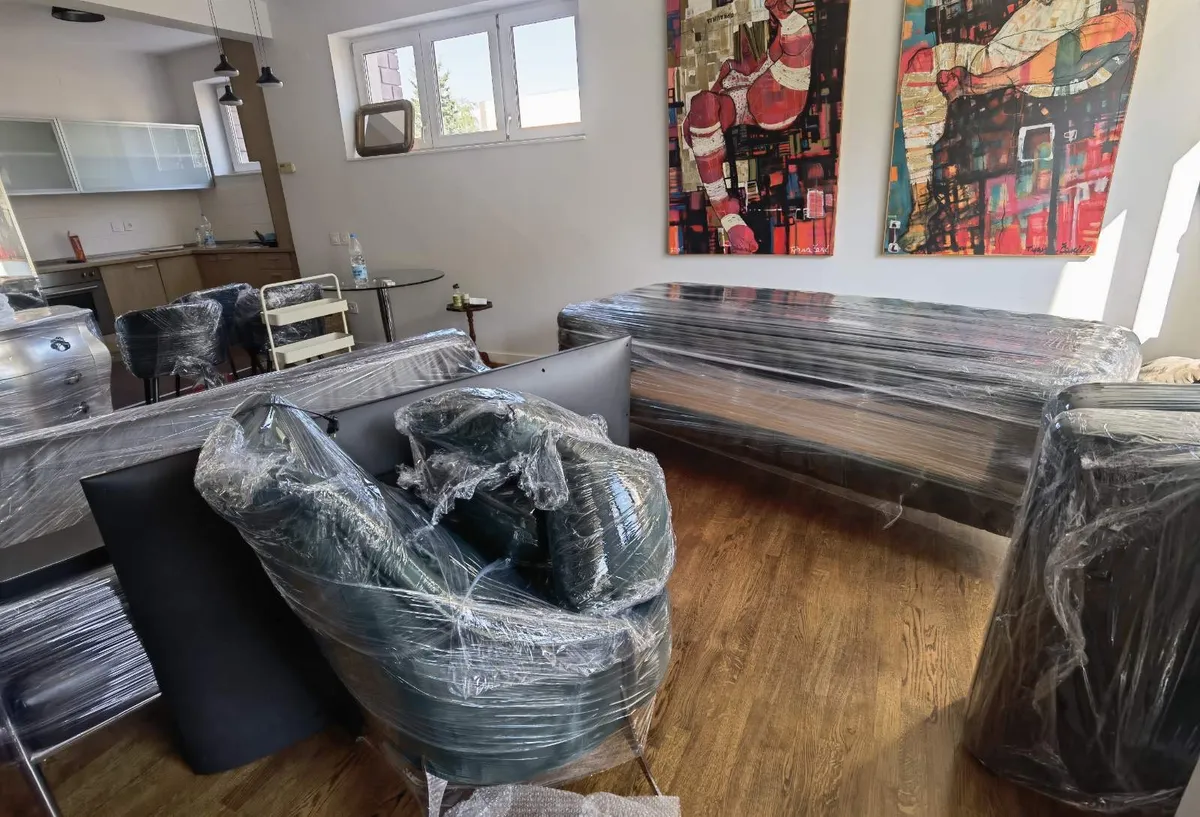
Ideally someone close — a grandparent, a friend — outside the flat while the crew carries the furniture out. The front door standing open, people passing with large items and the occasional bang is not an environment for an infant, not even in a pram in the corner of a room.
If there is genuinely nobody, keep one room packed last and let the baby stay there with someone who is not involved in the loading.
The bag that stays in your car
Keep one bag or small case with you in the car rather than in the van: nappies, a few bottles, a change of clothes, the favourite toy and any medication.
If the unloading is delayed or the unpacking drags on, everything the baby needs is in reach without opening sealed boxes.
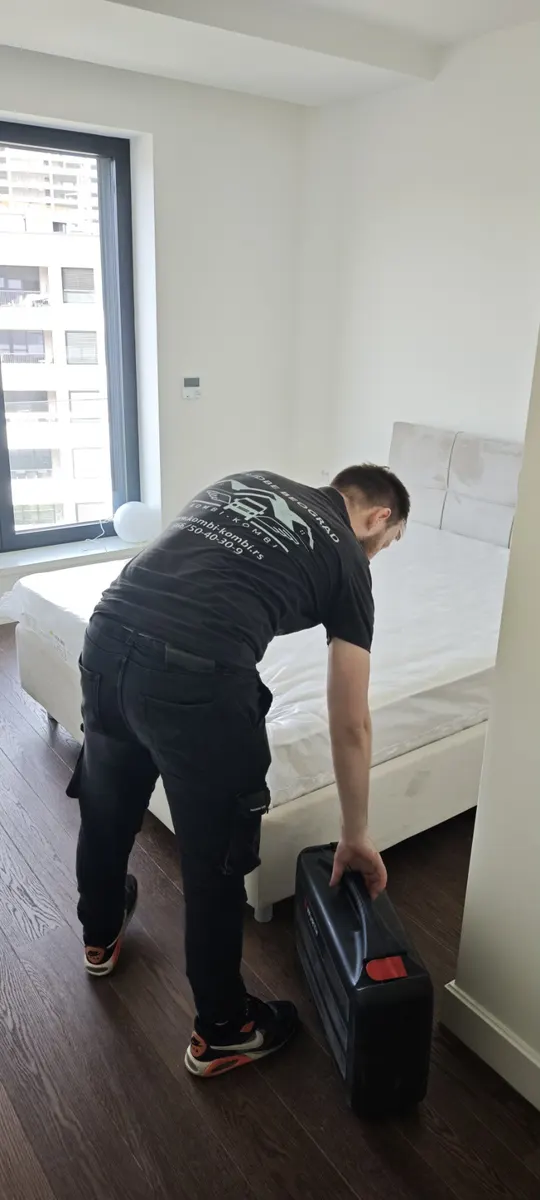
Beyond that bag, keep the larger essentials — the cot, the playpen, the bouncer, the toys — separate from the main load as well, and tell the crew. On our moves, the baby’s room is unloaded and assembled first, before anything else, so the cot is in place as early as possible.
Keep the schedule, whatever else slips
The single most useful thing in the first week is that feeding and sleeping times stay exactly where they were. Everything else about the baby's world has changed — the room, the light, the sounds, the smells — and the schedule is the one piece of continuity you control.
It does mean the unpacking happens around the baby's day rather than the reverse, which is slower. Accept that in advance and it stops feeling like things are going wrong.
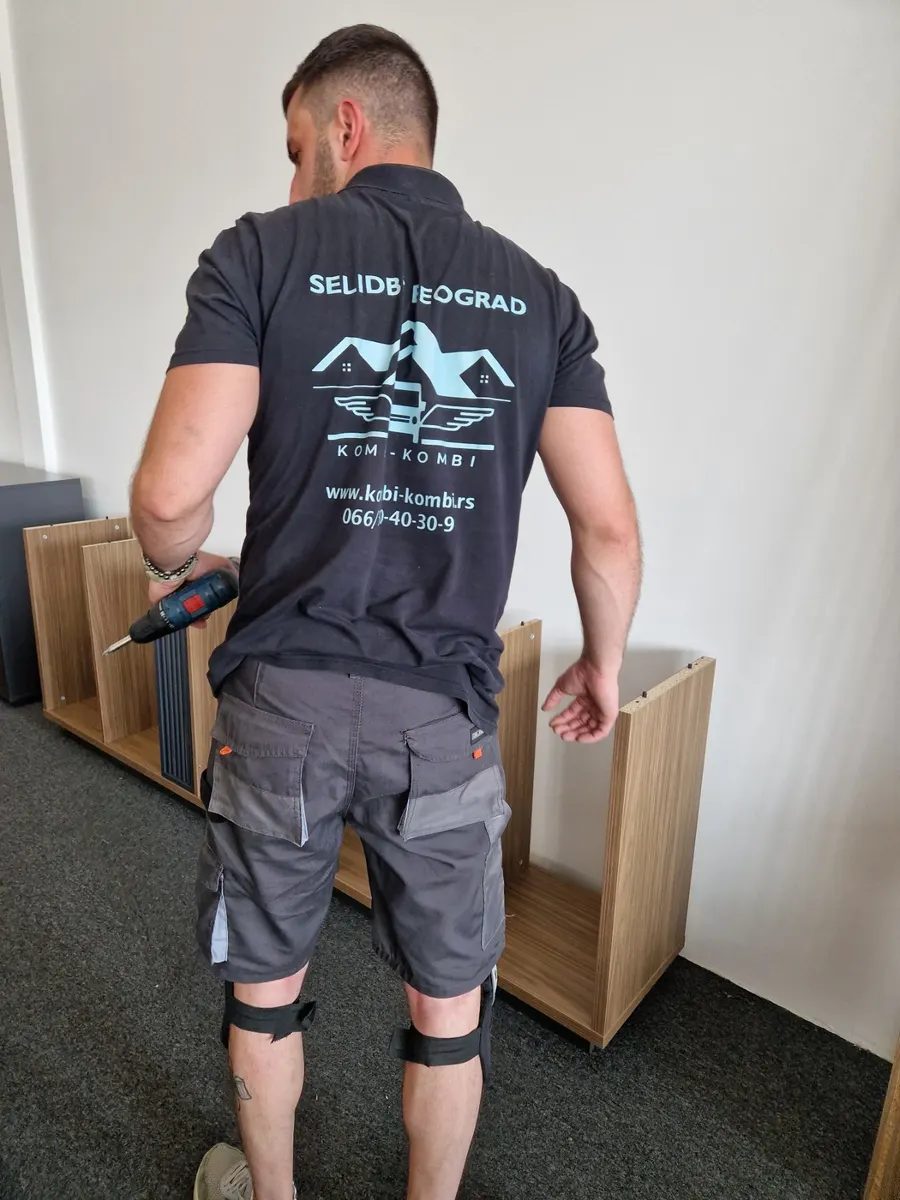
Keep snacks and a couple of familiar toys within arm's reach all day, in a bag you are carrying, not in a box. And if someone else can assemble the cot and the furniture, let them — assembly is the job most worth handing over here, because it is the one standing between you and a baby who can go to sleep.
If there are older children moving too, they have their own version of this — moving with children covers it.
Frequently asked questions
What time of day should we move with a baby?
When the baby is usually calmest — for most, before the midday nap or just after the morning feed. Avoid putting the main part of the move over a usual nap: the loading will disrupt it, and an overtired baby makes the rest of the day much harder.
Where should the baby be during the loading?
Outside the flat with someone close, if at all possible. An open front door, people carrying furniture through and the occasional bang is not an environment for an infant, even in a pram in the corner. If there is nobody, keep one room packed last and let them stay there with someone not involved in the loading.
What should I keep out of the van?
A bag in your car with nappies, bottles, a change of clothes, the favourite toy and any medication. Keep the cot, playpen and essential equipment separate from the main load too, and tell the crew — the baby's room should be unloaded and assembled first.
How should I label boxes when there is a baby in the flat?
By contents, and separate the hazards. Boxes that are safe to open with the baby awake, and boxes with knives, cleaning products, tools and small parts that only get opened during a nap or while someone else has the baby.
What matters most in the first week?
Keeping the feeding and sleeping times exactly where they were. Everything else in the baby's world has changed, and the schedule is the one piece of continuity you control. It means unpacking fits around their day rather than the reverse — plan for that and it stops feeling like things are going wrong.

Marko Mišulić
KOMBI-KOMBI has been running since 2013, and in that time several thousand homes and businesses have gone through our vans in Belgrade, across Serbia and around Europe. Everything on this blog comes from what our crews actually meet on the job.