
The pattern
Most of what goes wrong on a moving day is not dramatic and not unlucky. It is the same four things, and all of them are decided in the days beforehand rather than on the day itself.
What they have in common is that each one looks like it can be dealt with in the moment, right up until it cannot.
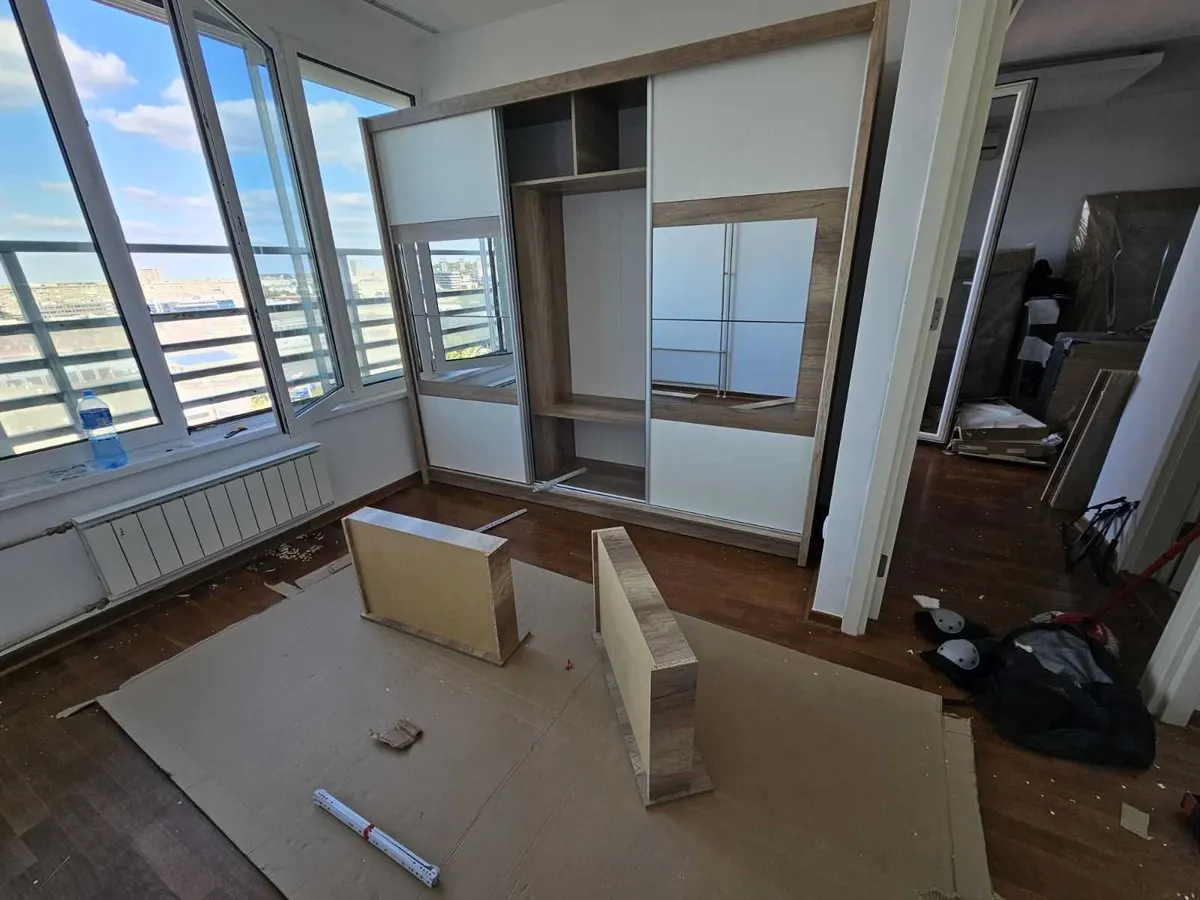
Furniture that travels full
It is the evening before. The packing has taken longer than expected, you are finally finished, and then you notice the chest of drawers in the corner, still full. You are too tired to care, and it occurs to you that it can just go in the van as it is.
What has not occurred to you is that the frame and the legs of that chest were not designed to be moved, and certainly not with every drawer loaded. The move ends with one casualty — the chest, and whatever was breakable inside it. The hour you saved the night before gets charged back with interest.
The rule is simple enough:
- Light furniture: empty it completely. It is not worth the risk.
- Heavy, solid furniture: clothes and soft items can usually stay. Anything breakable comes out, always.
- Either way: drawers get secured so they cannot slide open in transit.
Planning a move?
Tell us what needs moving and we will give you a firm price.
No parking, at either address
The crew calls to say they are on the way and asks where they can put the van. You go outside and find cars parked solid in both directions. The nearest space is two streets away, and the move has just become several hours longer and considerably more expensive.
Securing parking at both addresses is the customer's responsibility, and any parking fines are too. It is also the cheapest thing you can do to shorten a move.
When there genuinely is no space
In the narrow streets of the centre and in older neighbourhoods, sometimes there is no space however much notice you give. What our crews do then:
- Short stops instead of parking. The van stays exactly as long as one load takes and then moves on down the street, rather than waiting hours in one place.
- Temporary signage from the municipality. For a larger move in the strict centre you can apply for this, usually a few days ahead.
- A word with the neighbours. A short conversation the day before often secures one space outside the building for a few hours, with no paperwork at all.
The lift that is not booked
The crew arrives, lifts your sofa into the hallway, and presses the button. Two minutes later the doors open on six people and a dog, with no room for a lamp, let alone a sofa.
In a block of flats the lift has to be booked and the timing agreed with the company. A note on the noticeboard is often enough; in managed buildings it is a formal slot and sometimes a list of the crew. The details are in telling the building manager about your move.
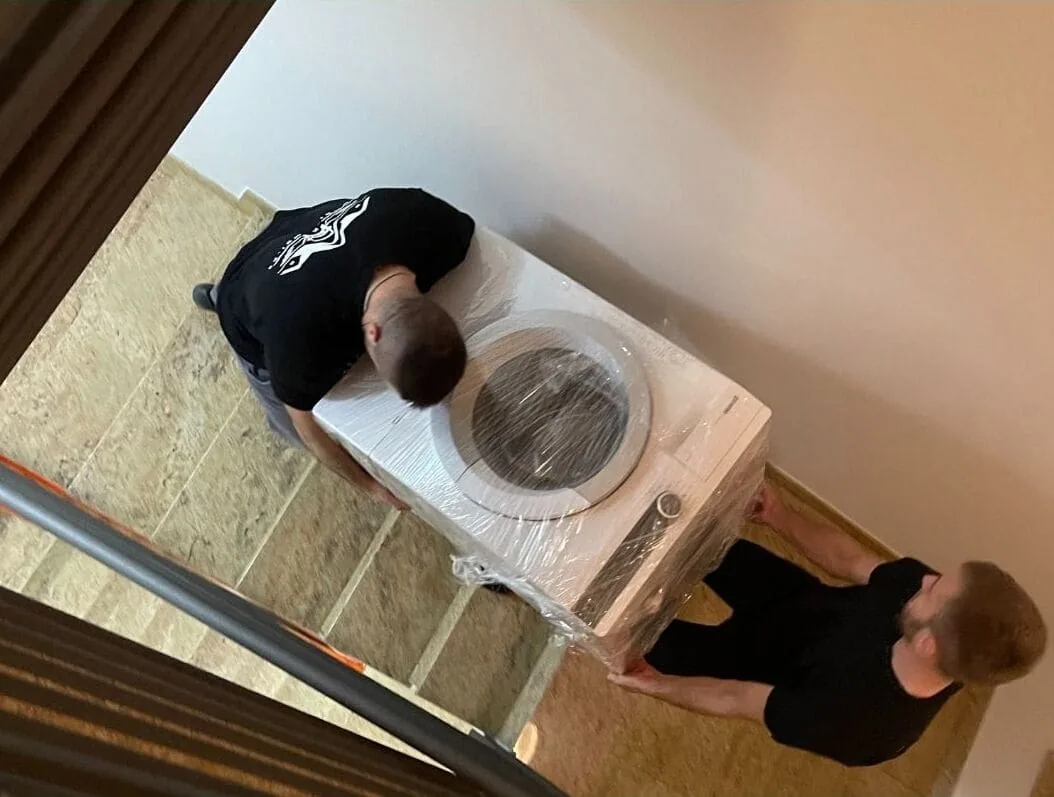
Where there is no lift at all, the floor becomes the single biggest factor in the price, and the whole plan for the day is built differently. Tell us the floor when you book, not when we arrive.
Boxes with nothing written on them
The cheapest fix on this list, and the one most often skipped because it feels like it can wait.
A few words with a marker on the side of each box — contents, and the room it belongs to at the new address — means the crew puts every box where it is going. Without it, everything lands in the hall and you spend the following week moving boxes a second time, by hand, on your own.

More on what else gets overlooked is in what people forget when they move.
Frequently asked questions
Can furniture be moved with the drawers full?
Light furniture should be emptied completely — the frame and legs were not built to be carried loaded, and this is one of the most common ways furniture gets damaged. Heavy, solid pieces can usually keep clothes and soft items, but anything breakable comes out, and the drawers are always secured so they cannot slide open.
Who is responsible for parking the van?
The customer, at both addresses, including any parking fines. It is also the cheapest thing you can do to shorten the move — a van parked two streets away adds hours of carrying to the bill.
What if there is nowhere to park at all?
The crew works in short stops instead, moving the van along between loads rather than waiting in one place. For a larger move in the strict centre you can apply to the municipality for temporary signage a few days ahead, and a word with the neighbours the day before often secures a space without any paperwork.
Do I need to book the lift?
Yes, in any block of flats, and the timing has to be agreed with the moving company. A note on the noticeboard is usually enough in an older building; in a managed building it is a formal slot and sometimes a list of the crew entering.
Does labelling boxes really matter?
It is the cheapest thing on this list and the most frequently skipped. Labelled boxes get carried straight to the right room; unlabelled ones land in the hall, and you move them a second time yourself over the following week.

Marko Mišulić
KOMBI-KOMBI has been running since 2013, and in that time several thousand homes and businesses have gone through our vans in Belgrade, across Serbia and around Europe. Everything on this blog comes from what our crews actually meet on the job.