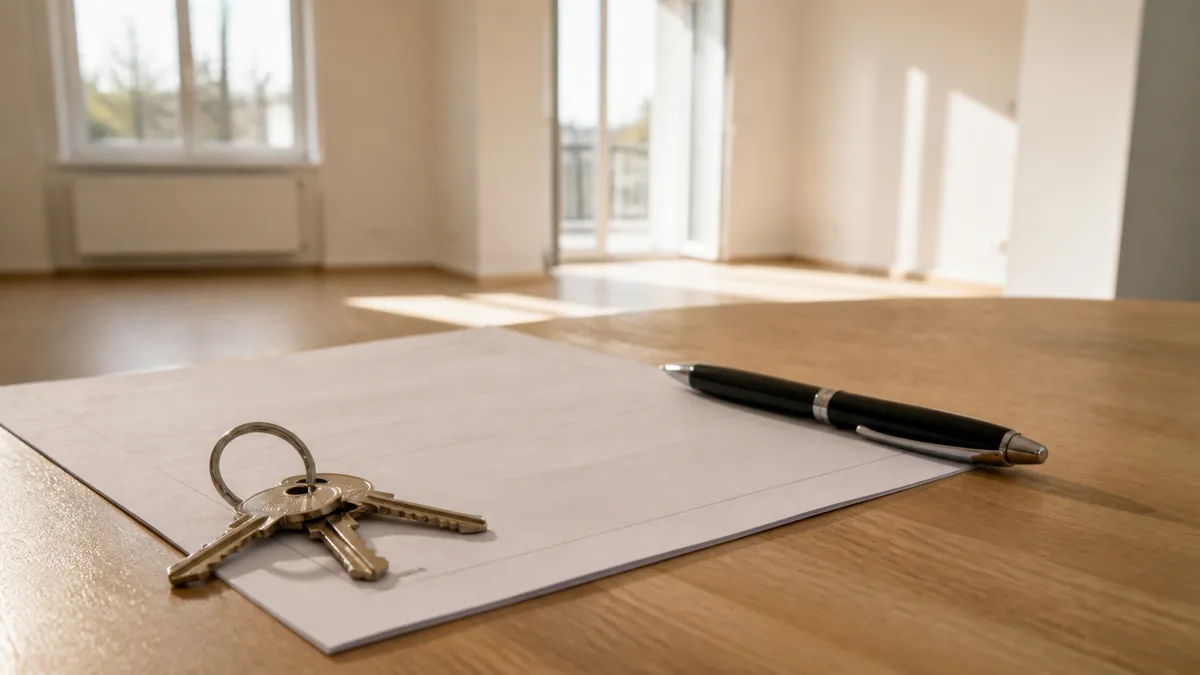
There is no general answer, but there is a useful question
Whether to rent or buy depends on the property market and on your own circumstances, and nobody can answer it for you in the abstract. But moving to a city you do not know adds a specific factor that is worth isolating from the rest.
The question underneath it is: how confident are you that you will still want to be here in five years? Everything else in this article is a way of getting at that.
We move people in both directions, so this is not advice about property. It is the pattern we see from the inside, including the costs people consistently leave out of the comparison.
The commitment buying implies
As a general rule, if you cannot commit to staying somewhere for five to ten years, buying may not be the right choice. Transaction costs and the time a sale takes mean a short holding period rarely works out well.
So test the reason you are moving. If it is for a job: if that job ended tomorrow, would you still be glad to be living in that city? If the honest answer is no, then the job is holding the decision up rather than the city, and renting buys you time to find out which it is.
If you have doubts about the place itself, renting is the cheaper way to resolve them. Peace of mind is worth real money.
Planning a move?
Tell us what needs moving and we will give you a firm price.
You cannot judge a neighbourhood from a listing
Finding the right home involves much more than the layout, the bathroom finish or the square metres. Moving to a new city, what matters more is knowing what the different parts of it are actually like — and that is the knowledge you do not have yet.
Safety, schools and nurseries, the amenities, traffic, parking, how long the commute really takes at eight in the morning rather than on a Sunday. None of it is visible in a listing, and some of it is not visible on a viewing either.
If you have never set foot in the city and have no friends or family there, renting first is usually the better opening move. It lets you live in a part of town, find out what you think, and talk to neighbours who know things no website will tell you.
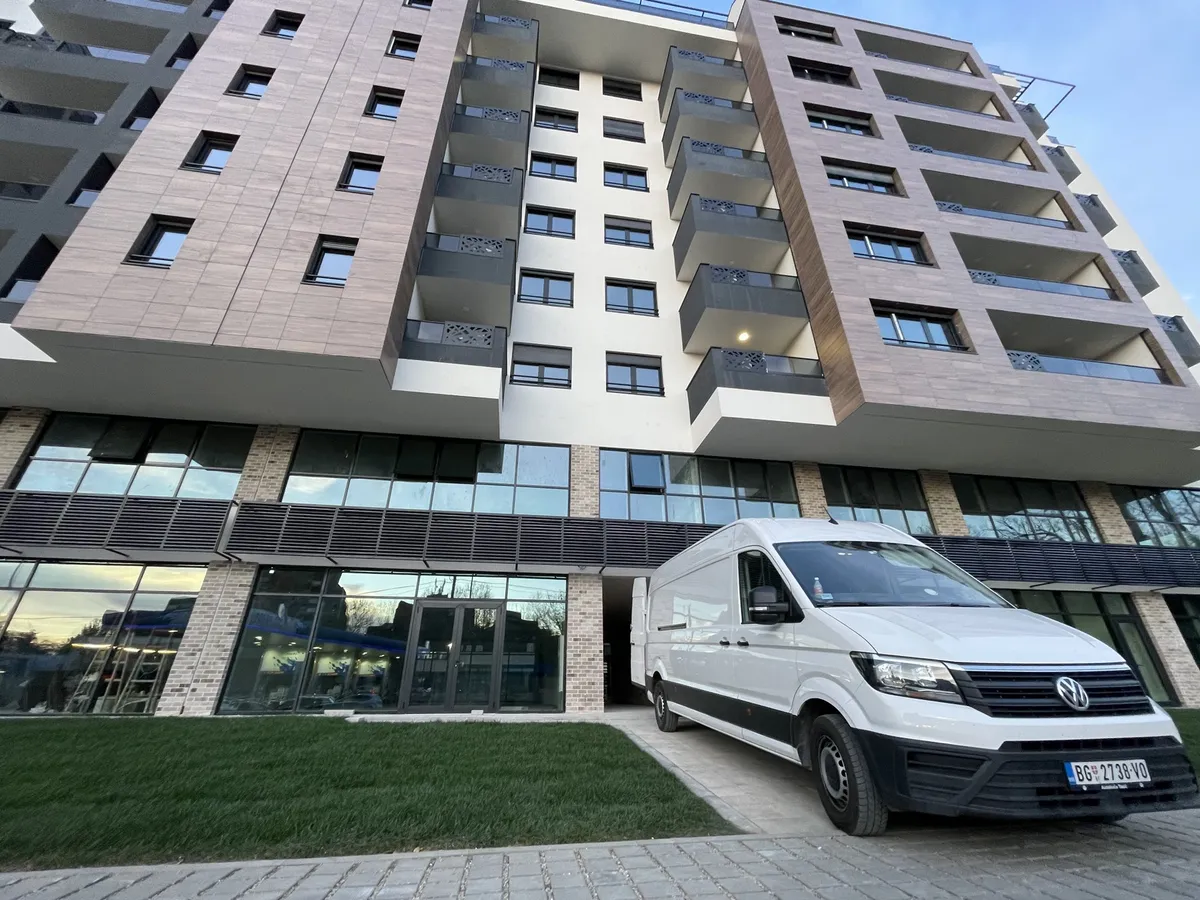
Do you have the capacity for it right now?
A move is draining on its own: the goodbyes, the packing, possibly selling your current home. Buying a property is a major undertaking of its own, and the two happening at once is more than many people have the capacity for.
Ask yourself honestly whether you can absorb the pressure of a purchase while the rest of it is going on. If you feel pushed into buying by circumstances rather than choosing it, renting is probably the better answer. If you genuinely have the time and the energy, buying may well be right.
The costs people forget to compare
The comparison is usually framed as rent against a mortgage payment. From what we see on the ground, these four items rarely get counted, and they regularly change the answer.
- Moving twice. If you rent now and buy later, you pay for two moves — one into the rented flat, one into the purchased one. Buying straight away means that cost once.
- Deposit and agency fees on a rental. Unlike a deposit on a purchase, this money is spent rather than applied to the price. It is a genuine housing cost.
- Maintenance and repairs. As an owner, every failure — the boiler, the plumbing, the windows — is yours. As a tenant, most of it is the landlord's. This can change the real monthly cost substantially.
- Flexibility if the job or the city changes. A tenancy ends far faster and more cheaply than a property sells. If there is any realistic chance of moving again within two or three years, this item often outweighs all the others.
Making the decision
Put simply: rent if the city is still a question, buy if it is already an answer.
Renting for six months to a year in a new city is not indecision or wasted money. It is the cost of information, and it is considerably cheaper than discovering you bought in the wrong neighbourhood — or the wrong city.
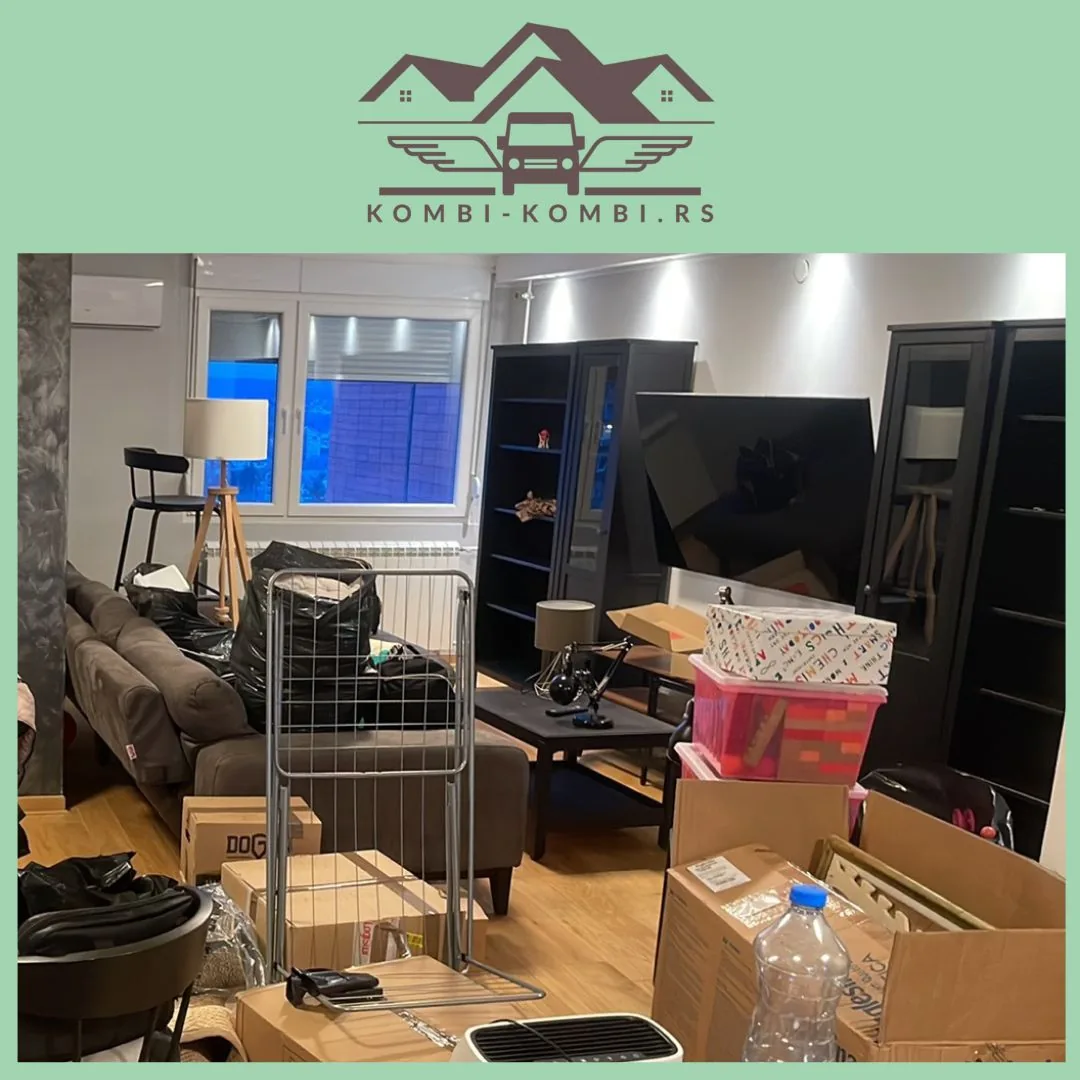
Whichever way it goes, the practical side of settling in is the same — settling into a new city covers that, and if you do end up moving twice, storage is what keeps the second one small.
Frequently asked questions
Should I rent or buy when moving to a new city?
Rent if the city is still a question, buy if it is already an answer. As a rule, if you cannot commit to five to ten years, the transaction costs and the time a sale takes mean buying rarely works out well.
Why is renting first often better in an unfamiliar city?
Because what matters most — safety, schools, the real commute, how an area feels at different times — is not visible in a listing and often not on a viewing either. Renting lets you live somewhere, form a view, and talk to neighbours who know things no website will tell you.
What costs do people leave out of the comparison?
Four: paying for two moves if you rent then buy, the rental deposit and agency fees which are spent rather than applied to a price, maintenance and repairs which fall on an owner and not a tenant, and the cost of exiting — a tenancy ends far faster and more cheaply than a property sells.
Is it a mistake to rent for a year before buying?
No. Renting for six months to a year in a new city is the cost of information, and it is far cheaper than discovering you bought in the wrong neighbourhood. The one thing to plan for is the second move — putting what you will not need into storage keeps it small.
Can I manage a property purchase at the same time as the move?
Many people cannot, and it is worth being honest about that. A move is draining on its own, and a purchase is a major undertaking of its own. If you feel pushed into buying by circumstances rather than choosing it, renting is usually the better answer.

Marko Mišulić
KOMBI-KOMBI has been running since 2013, and in that time several thousand homes and businesses have gone through our vans in Belgrade, across Serbia and around Europe. Everything on this blog comes from what our crews actually meet on the job.